
When you think about Project X, there’s a good chance your first thought is an iron shaft.
That’s understandable. Project X built its reputation on steel, and the original Project X iron shaft is still one of the most recognizable names in the game.
But today, Project X also has one of the deepest graphite lineups in golf, including HZRDUS, Denali, TITAN and Cypher.
So can the iron-shaft company fit your woods too? In this guide, we break down each Project X family, who it’s built for, and how to narrow down the right one for your swing.
Table of Contents
- A Quick History
- The Current Lineup
- How to Read Project X Colors
- Understanding Project X Flex Numbers
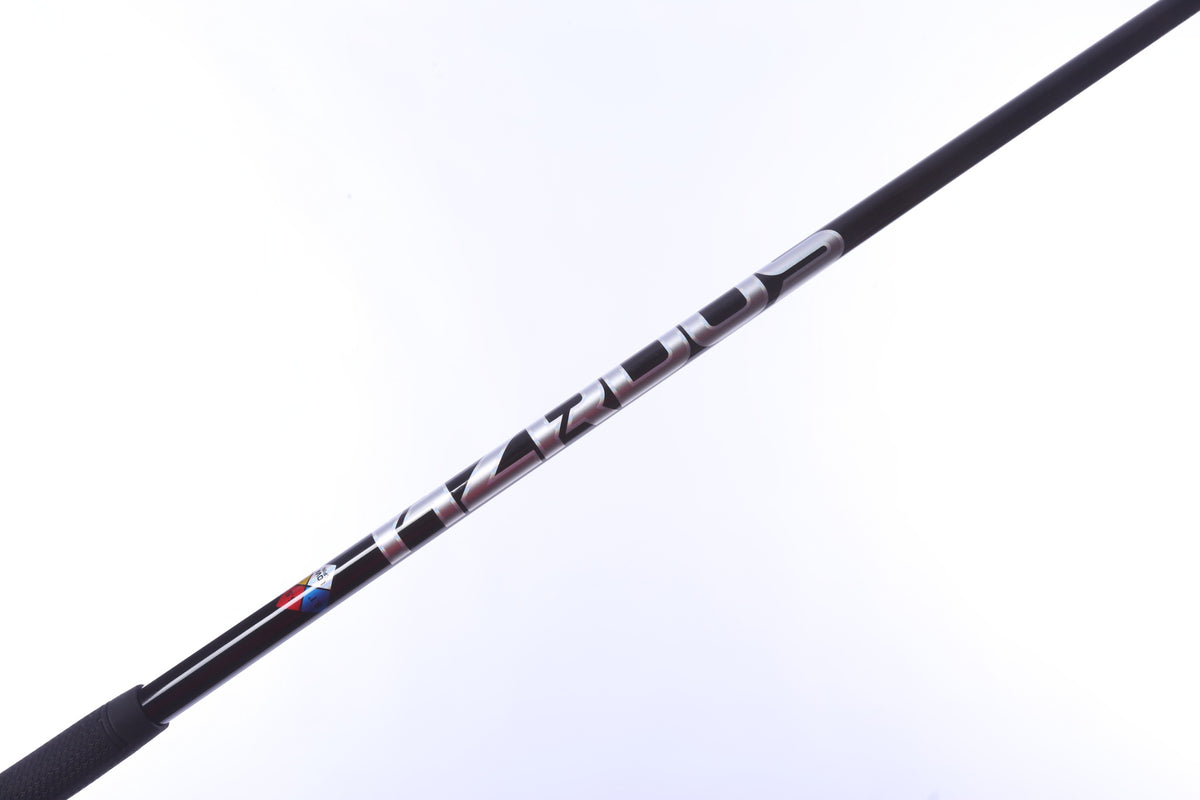
- HZRDUS: Built for Stability
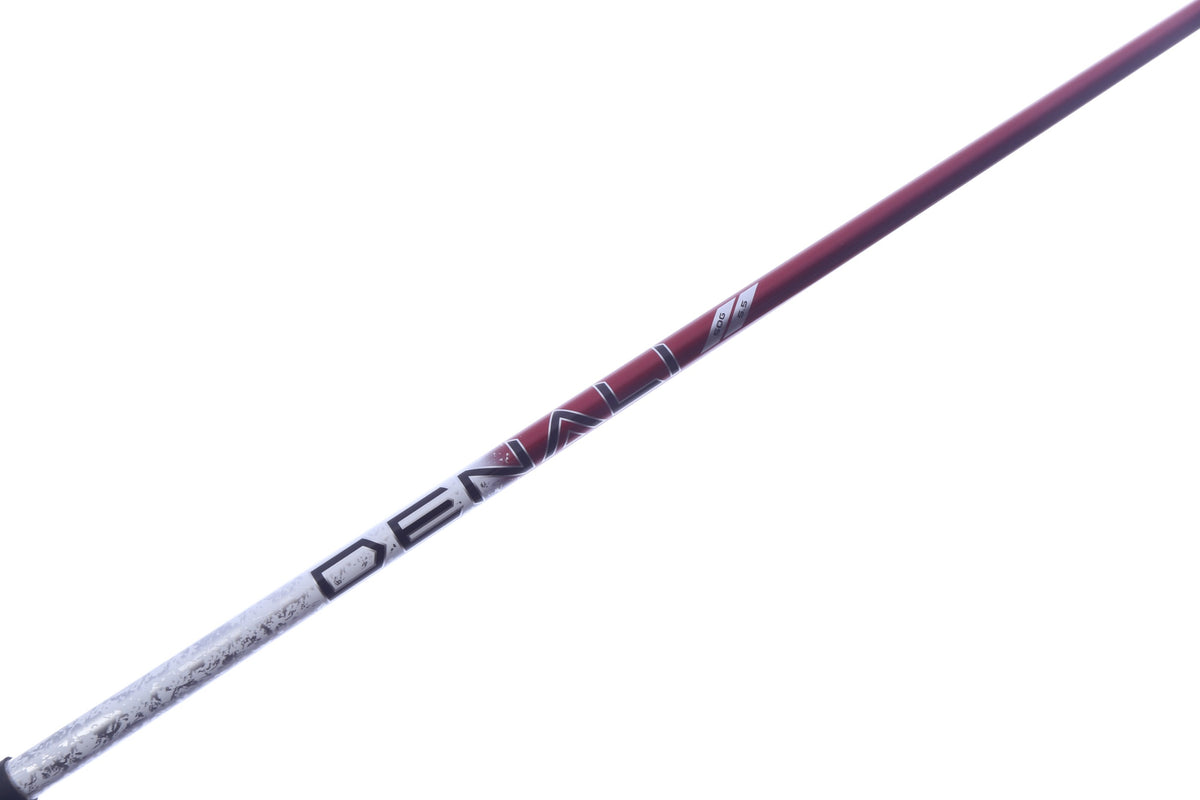
- Denali: Stability With a Smoother Feel
- TITAN: Premium Stability and Feel
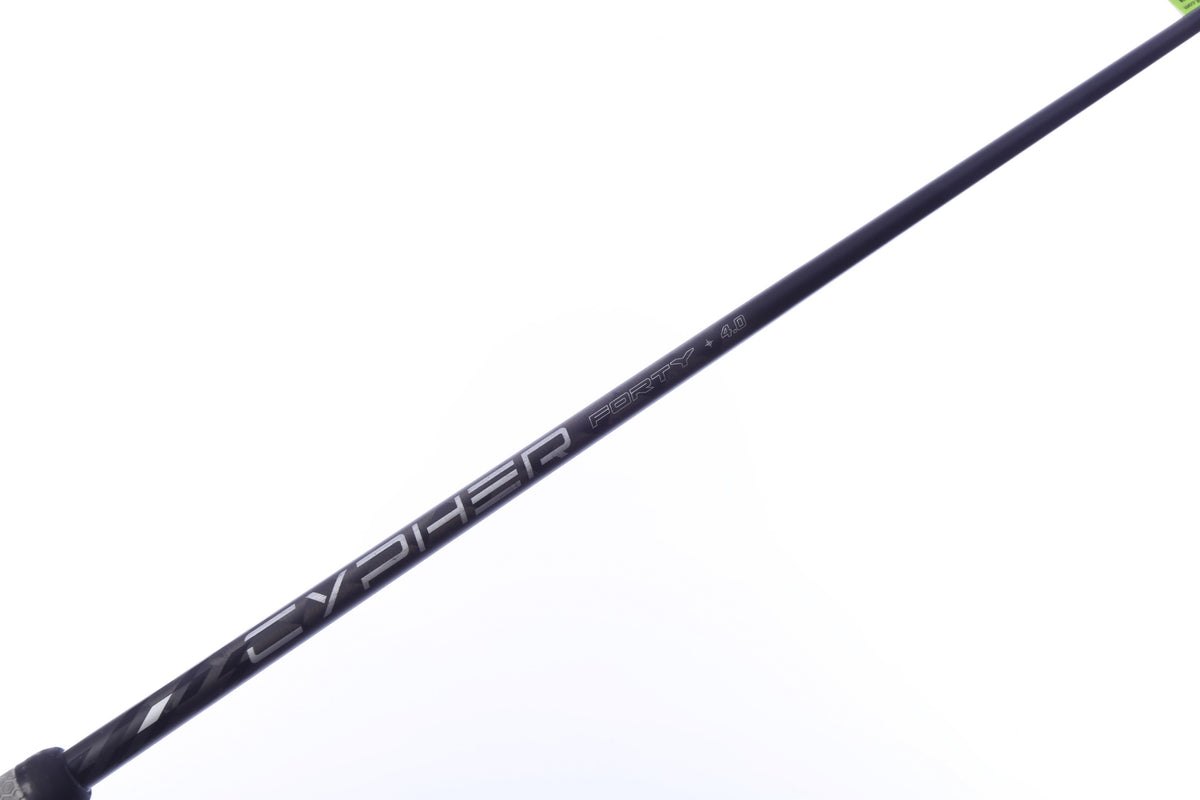
- Cypher: Choose by Weight
- Project X Steel and LZ: Where It All Started
- The Bottom Line
A Quick History
Project X started at Royal Precision, the company behind the Rifle line of steel shafts. Project X became known for its stepless design and penetrating ball flight.
In 2006, True Temper acquired Royal Precision’s shaft assets, including the Rifle and Project X brands, and brought production in-house.
The next big chapter came in 2015 with HZRDUS, a low-launch, low-spin graphite shaft built for stability. HZRDUS Black quickly became a tour staple and turned Project X into a serious name in driver shafts.
Since then, the lineup has expanded well beyond low launch and spin.
The Current Lineup
Today, Project X is a family of very different shafts, not a single profile. Here’s the quick version:
Project X
The Current Lineup
Stability-first graphite, best known for low launch and spin
TITAN
Premium graphite that pairs stability with better feel
Lightweight, high-launch graphite for slower swing speeds
Project X Steel and LZ
The iron shafts that started it all
Saying “I play Project X” doesn’t tell you much on its own. A HZRDUS Black and a Cypher are built for completely different golfers. Before getting into each family, it helps to know how Project X labels its shafts.
How to Read Project X Colors
Across HZRDUS, Denali and TITAN, the color tells you roughly where a shaft sits on the launch and spin spectrum:
Project X
How to Read the Colors
| Color | Launch / Spin | Typical Golfer |
|---|---|---|
| Green / T1100 | Lowest | Elite speed players with very aggressive transitions |
| Black | Low / Low | Strong, fast swingers who need to bring launch and spin down |
| Yellow | Low-mid / Low (counterbalanced) | Smooth tempos and heavier heads who want low spin with an easier feel |
| Blue / Silver | Mid / Mid | The broadest fit for average-to-fast swingers who want stability |
| Red | High / Mid-high | Moderate or slower swingers who need help getting the ball up |
Two things to keep in mind:
- Newer generations tend to soften slightly. A HZRDUS Black Gen 5 launches a bit higher and feels a little less stout than the original Black, but it’s still a low-launch, low-spin shaft.
- The family changes the feel. A Black HZRDUS, Black Denali and Black TITAN all target low launch and spin, but they feel different.
This is especially useful when shopping used. Even if you come across an older generation that isn’t covered here, the color will point you in the right direction.
Understanding Project X Flex Numbers
Instead of Regular, Stiff and X-Stiff, Project X uses a numbered flex system. That gives fitters more room to work between traditional flex categories.
Here’s roughly how the numbers translate:
Project X
Understanding Flex Numbers
| Project X Flex | Traditional Equivalent | Approx. Driver Swing Speed |
|---|---|---|
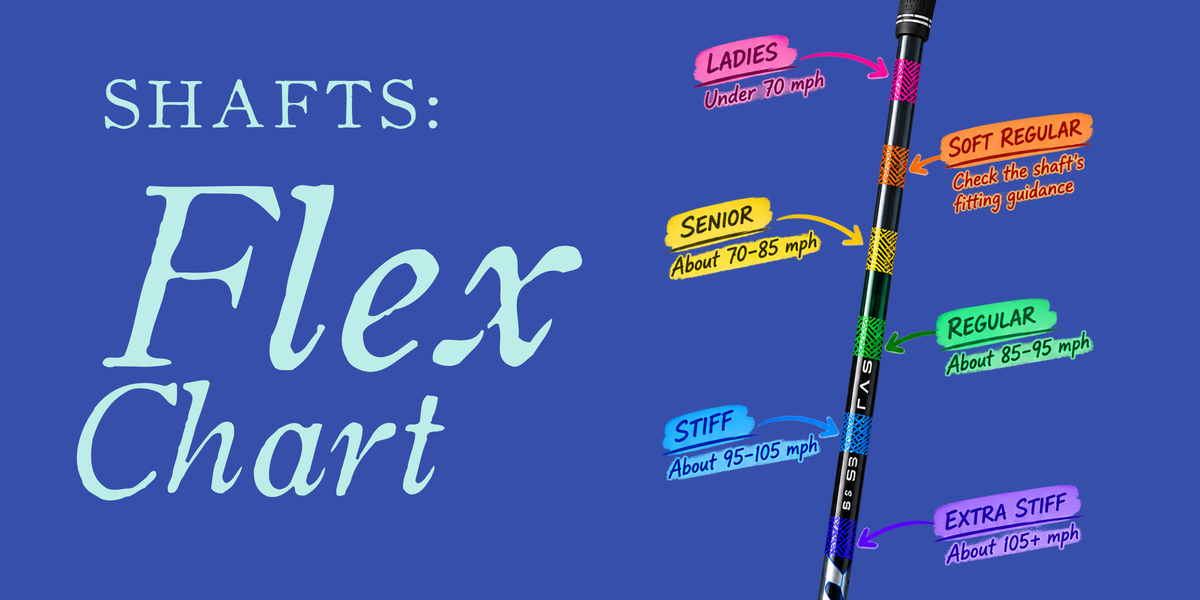
| 5.0 | Regular | 85–95 mph |
| 5.5 | Firm Regular | 90–100 mph |
| 6.0 | Stiff | 100–110 mph |
| 6.5 | X-Stiff | 105–115 mph |
| 7.0 | Tour X-Stiff | 115+ mph |
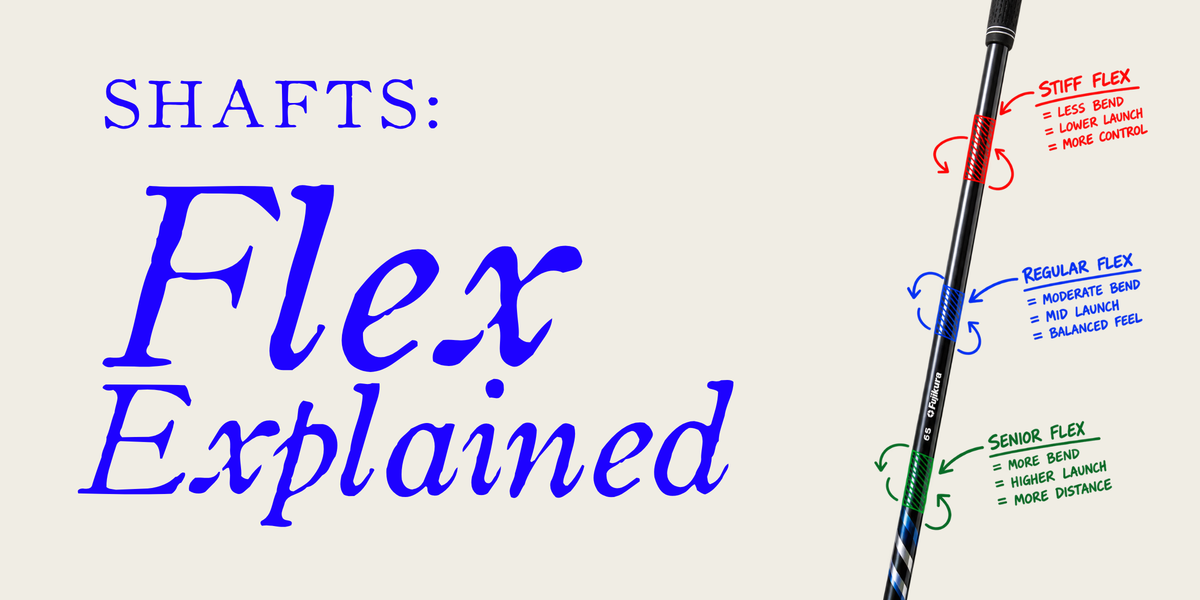
One caveat: a 6.0 isn’t the same flex across every Project X family. Weight, bend profile, torque and construction all change how a shaft plays. A 6.0 HZRDUS Black will feel stouter than a 6.0 Denali Blue. If you’re a 5.5 in one model, test before assuming you’re a 5.5 in another.
Think of the flex number as the start of the fitting conversation, not the end.
HZRDUS: Built for Stability
HZRDUS is the family most responsible for changing how golfers see Project X graphite. Across every color, the priority is stability: if you swing hard, the shaft shouldn’t feel like it’s getting away from you.
- Black is the classic HZRDUS. Low launch, low spin, and a stout feel through transition. Best for fast swingers (roughly 100+ mph) with aggressive tempos.
- Yellow keeps low spin but adds counterbalancing for a smoother feel. Best for strong players with smoother tempos or heavier heads.
- Smoke Blue, Silver and iM10 sit in the middle and are the most versatile HZRDUS options for average-to-fast swingers.
- Red launches highest. Best for moderate speeds and fairway woods, where you need more carry.
- T1100 and Smoke Green are the extreme end. Ultra-stiff and ultra-low spin, built for tour-level speed.
RDX versions use updated materials for a slightly more active feel within the same color profile.
A note on HandCrafted: T1100 and HZRDUS G5 Yellow are made by hand at True Temper’s San Diego facility, where each shaft is rolled, painted and inspected individually. That’s a tighter manufacturing standard, but it doesn’t make a HandCrafted shaft better for every golfer. A stock shaft that fits your swing will outperform one that doesn’t.
Denali: Stability With a Smoother Feel
Denali follows the same color logic, but with a smoother, easier-loading feel than HZRDUS. It’s a good place to start if you like where HZRDUS launches but find it too harsh.
- Black gives you low launch and spin without the boardy feel.
- Blue is the anchor profile and fits the widest range of golfers. A counterbalanced CB Blue version helps with heavier, high-MOI heads.
- Red is the highest-launching option for moderate and slower speeds.
Frost versions share the same profiles as their standard counterparts.
TITAN: Premium Stability and Feel
TITAN is Project X’s premium family, aiming for HZRDUS-level stability with better feel. True Temper says TITAN uses a more elastic handle that firms progressively through the mid and tip sections, with Synex technology reinforcing the outer structure.
- Green is the lowest-launching, stiffest option for elite speed.
- Black is low launch and spin for aggressive swingers who want a smoother feel than traditional low-spin shafts.
- Yellow is counterbalanced, with a bit more carry height and a more active kick.
Cypher: Choose by Weight
Cypher sits at the opposite end of the lineup. It’s an ultralightweight design built to help golfers create more clubhead speed and higher launch.
Cypher doesn’t follow the color system. Every model is built for launch and speed, so the number tells you the weight class:
- Cypher 40 is the lightest option for swing speeds under about 85 mph.
- Cypher 50 adds a little weight for moderate swingers who want more club awareness.
- Cypher iron shafts (40i–70i) range from very light for slower speeds to heavier for average swingers who want to keep tempo steady.
For golfers who don’t naturally generate a lot of speed, a lighter shaft often beats a heavier, stiffer one that only sounds more “premium.”
Project X Steel and LZ: Where It All Started
If you’re shopping for irons, the traditional steel families are still a core part of the lineup. True Temper currently offers Project X, Project X Red, Project X LZ and LZ Blackout.
The original Project X remains the choice for players who want a stable feel and penetrating flight. LZ (Loading Zone) offers a softer-loading midsection for players who want more feel without giving up control.
The Bottom Line
Project X has come a long way from its reputation as an iron-shaft company.
HZRDUS changed its position in the driver market. Denali widened the fitting window. TITAN combines stability with feel. Cypher brings lightweight speed and launch.
The biggest takeaway: don’t buy a shaft because it says Project X on it. Buy it because the model, weight, flex and profile fit your swing.
And you don’t need the newest generation to get there. A previous-generation HZRDUS Black is still a low-launch, low-spin shaft when the next one comes out. Next Round Golf’s used inventory includes multiple generations of HZRDUS, Denali and other Project X shafts, often well below original retail.
The best Project X shaft isn’t the newest or most expensive one. It’s the one that fits your swing.